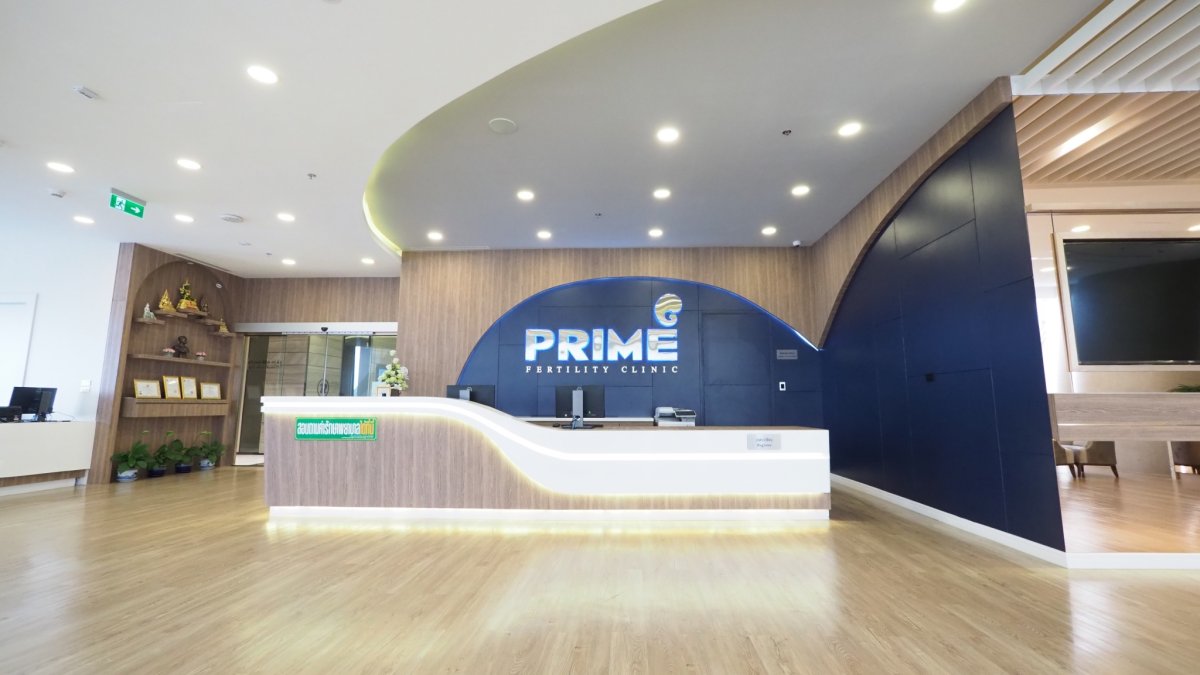
For international patients considering PGT IVF in Thailand, the hospital stay is often a source of uncertainty. Most PGT IVF cycles involve at least one short hospital visit for egg retrieval, and sometimes a separate visit for embryo transfer. The exact experience depends on the clinic, your treatment plan and your health. This guide explains the typical sequence, what you may need to arrange, and the questions that help you compare hospitals on day-of-care experience rather than marketing claims.
At a glance
- Egg retrieval is usually a day-procedure with sedation or light anaesthesia; many patients go home the same day.
- Embryo transfer is often shorter and may not require sedation, but policies vary.
- Hospital stay length, admission process and discharge timing are clinic-specific and should be confirmed in writing.
- International patient wards in Bangkok often provide English-speaking coordinators, but you should ask about language support, billing and after-hours contact.
- PGT itself is a laboratory step; it does not usually add days to your hospital stay.
What “hospital stay” means in a PGT IVF cycle
In Thailand, PGT IVF is typically an outpatient pathway. The two moments when you may be inside a hospital are:
- Egg retrieval day – a procedure to collect eggs from the ovaries, usually under sedation or light anaesthesia.
- Embryo transfer day – placement of one or more embryos into the uterus, often without anaesthesia.
Some clinics may also schedule monitoring visits (blood tests, ultrasound) during stimulation, but these are usually short appointments, not overnight stays. A true overnight hospital stay is uncommon for uncomplicated IVF, but it can happen if you have a medical reason, if your clinic prefers observation, or if you travel from far away and choose to stay nearby.
Because PGT (preimplantation genetic testing) is performed on embryos in the laboratory, it does not require you to stay in hospital. The waiting period for PGT results happens after the retrieval, while you are recovering at home or at your accommodation.
Retrieval day: what to expect step by step
The exact routine varies by hospital, but a typical retrieval day for an international patient may follow this sequence:
- Arrival and admission – You check in at the fertility center or international patient desk. Staff confirm your identity, review your consent forms and check your fasting status (you are usually asked not to eat or drink for several hours before sedation).
- Pre-procedure preparation – You may change into a hospital gown, have an intravenous line placed, and meet the anaesthesiologist or nurse. Your companion may be asked to wait in a designated area.
- Egg retrieval – The procedure itself usually takes 15–30 minutes. You are sedated, so you should not feel pain. The doctor uses ultrasound guidance to aspirate fluid from ovarian follicles.
- Recovery – You wake up in a recovery area. Nurses monitor your vital signs, bleeding and pain. You may feel drowsy, cramping or bloated. You are usually offered light food and drink once you are alert.
- Discharge – If you are stable and have someone to accompany you, you may be discharged a few hours after the procedure. You will receive written instructions about medication, activity restrictions and warning signs.
Some hospitals keep patients for a longer observation period, especially if there are concerns about bleeding, severe pain or ovarian hyperstimulation syndrome (OHSS). Your doctor will decide whether an overnight stay is needed.
Embryo transfer day: usually shorter
Embryo transfer is often described as similar to a Pap smear in terms of discomfort. It usually does not require sedation, although some clinics offer mild sedation. The steps are typically:
- You arrive with a partially full bladder (clinic will specify).
- You change into a gown and review the embryo report with the doctor or embryologist.
- The transfer takes a few minutes. A speculum is placed, and a thin catheter is guided through the cervix to place the embryo(s).
- You rest for a short time (often 15–30 minutes) and then go home.
Again, policies differ. Some clinics may ask you to stay longer for observation, while others discharge you quickly. There is no universal rule, so ask your hospital what they recommend.
International patient ward experience in Bangkok
Many large Bangkok hospitals have dedicated international patient departments. These may offer:
- English-speaking coordinators or interpreters
- Help with appointment scheduling, billing and insurance claims
- Private rooms or recovery areas
- Assistance with visa letters or medical reports
However, the presence of an international ward does not guarantee a specific level of service. You should ask direct questions about:
- Whether your treating doctor speaks your language or works with an interpreter
- Who will be your main point of contact before, during and after the hospital visit
- What the recovery area looks like (shared or private)
- Whether a companion can stay with you
- How billing works and what payment methods are accepted
Questions to ask about admission, recovery and discharge
Use these questions to compare hospitals on the day-of-care experience. Write down the answers and ask for written confirmation where possible.
Before you travel
- What is the typical schedule for retrieval day? What time should I arrive, and how long will I stay?
- Will I be admitted as an outpatient or inpatient? Is an overnight stay ever required?
- What pre-operative tests or clearances do I need, and can they be done in my home country?
- What are the rules about fasting before sedation?
- Can my partner or companion accompany me during admission and recovery?
- What is the estimated total cost for the hospital stay, including facility fees, anaesthesia, medication and any extra nights?
- How do you handle billing for international patients? Do you require a deposit?
- What language support is available on retrieval day and during recovery?
On the day
- Who will perform the retrieval? Will my regular doctor be present?
- What type of sedation or anaesthesia will be used, and who administers it?
- How will my pain be managed after the procedure?
- What are the signs that I should call for help during recovery?
- Will I receive written discharge instructions in my language?
After discharge
- Who do I contact if I have questions or concerns after I leave the hospital?
- Is there a 24-hour phone number or email for international patients?
- When can I resume normal activities, travel and work?
- What follow-up appointments are needed, and can they be done remotely?
How to compare hospitals on experience
When you investigate hospitals, focus on the information you can verify. A hospital’s official website may describe its fertility center, services and accreditation. For example, some hospitals publish details about their laboratory, team and international patient support. You can also check whether a hospital holds specific certifications, but always confirm the current scope of those certificates directly.
Because hospital stay experiences are not standardized, avoid relying on general reviews alone. Instead, ask the hospital for a written summary of the retrieval and transfer day routines, including admission, recovery and discharge. If a hospital cannot provide clear answers, that may be a sign to look further.
For a structured comparison of hospitals, see our hospital directory and editorial rankings. Our editorial policy explains how we select and present provider information.
Next-step checklist for international patients
- Ask your shortlisted hospitals for a written day-of-care plan for retrieval and transfer.
- Confirm all costs related to the hospital stay, including potential extra nights.
- Check language support and after-hours contact details.
- Arrange accommodation close to the hospital for the recovery period.
- Prepare a list of medications and allergies to share with the anaesthesia team.
- Confirm whether your companion can stay with you and what facilities are available.
- Keep copies of all discharge instructions and emergency contacts.
Remember that your experience will depend on your individual health, your treatment protocol and the hospital’s current practices. No guide can replace direct communication with your chosen clinic.
Frequently asked questions
How long do I need to stay in the hospital for egg retrieval in Thailand?
Most egg retrieval procedures are done as day cases. You typically arrive in the morning, have the procedure under sedation, recover for a few hours, and go home the same day. Some hospitals may recommend a longer observation period or an overnight stay if you have certain medical conditions or if complications are suspected. Always confirm the expected stay length with your hospital.
Is PGT done while I am in the hospital?
No. PGT is a laboratory procedure performed on embryos after they are created in the lab. It does not require you to stay in the hospital. The embryos are cultured and biopsied in the laboratory, and the genetic testing is done there. You will usually be at home or at your accommodation while waiting for PGT results.
Can my partner stay with me during the hospital visit?
Policies vary by hospital and by area within the hospital. Many international patient wards allow a companion in the recovery area, but some may restrict access to certain zones. Ask your hospital in advance about companion policies for admission, recovery and discharge.
What should I ask about the international patient ward?
Ask about language support, who your main contact person will be, billing and payment methods, whether a companion can stay, and how to reach staff after hours. Also ask for a written summary of the day-of-care routine so you can compare hospitals clearly.
What if I need an overnight stay after retrieval?
If your doctor recommends an overnight stay, ask for the reason, the estimated additional cost, and what the room and care will include. Also confirm how this affects your travel plans and whether your insurance covers it. It is best to get this in writing before your procedure.
Continue your research
Medical information notice: This article is educational and does not replace individual assessment, diagnosis, genetic counselling or treatment advice from a licensed clinician. Provider services, availability, fees and policies should be verified directly before booking.