At a glance
Planning an IVF trip to Thailand? Use this practical checklist covering documents, medical records, medications, and travel essentials—plus questions to ask your clinic before you go.
Traveling to Thailand for IVF involves more than booking a flight. A well-organized checklist can reduce stress and help you focus on your treatment. This guide outlines the key categories to plan: documents, medical records, medications, and practical items. Always confirm specific requirements with your clinic, as each program may have unique instructions.
At a Glance: Your IVF Travel Checklist
- Passport and visa (check validity and requirements)
- Medical records and fertility history
- Prescriptions and medication plan
- Travel insurance and emergency contacts
- Comfort items and personal care
- Questions to ask your clinic
Documents and Paperwork
Your passport must be valid for at least six months beyond your intended stay. Depending on your nationality, you may need a visa for medical travel. Confirm the current visa rules with the Royal Thai Embassy or consulate in your country. Some clinics provide invitation letters for visa applications—ask if this is available.
Carry both physical and digital copies of:
- Passport and visa
- Travel itinerary and accommodation details
- Health insurance documents
- Emergency contacts
Medical Records and Fertility History
Your Thai clinic will need a complete picture of your fertility history. Gather records from previous treatments, test results, and any relevant surgical reports. This may include:
- Hormone blood test results
- Ultrasound reports
- Semen analysis (if applicable)
- Genetic screening results (if any)
- Operative notes from prior procedures
Ask your clinic for a specific list of required documents. Some may request translations into English. Bring both paper and electronic copies, and consider having a trusted contact back home who can access your records if needed.
Medications and Prescriptions
If you take fertility medications, plan how to transport them. Keep medications in their original packaging with the pharmacy label. Carry a letter from your prescribing doctor explaining the medical necessity. Check with your airline about rules for carrying medications, especially liquids or injectables.
Some medications may not be available in Thailand or may have different brand names. Ask your clinic whether they will provide medications or if you need to bring your own. Never assume you can purchase the same drugs locally without a prescription.
Practical Items for Your Stay
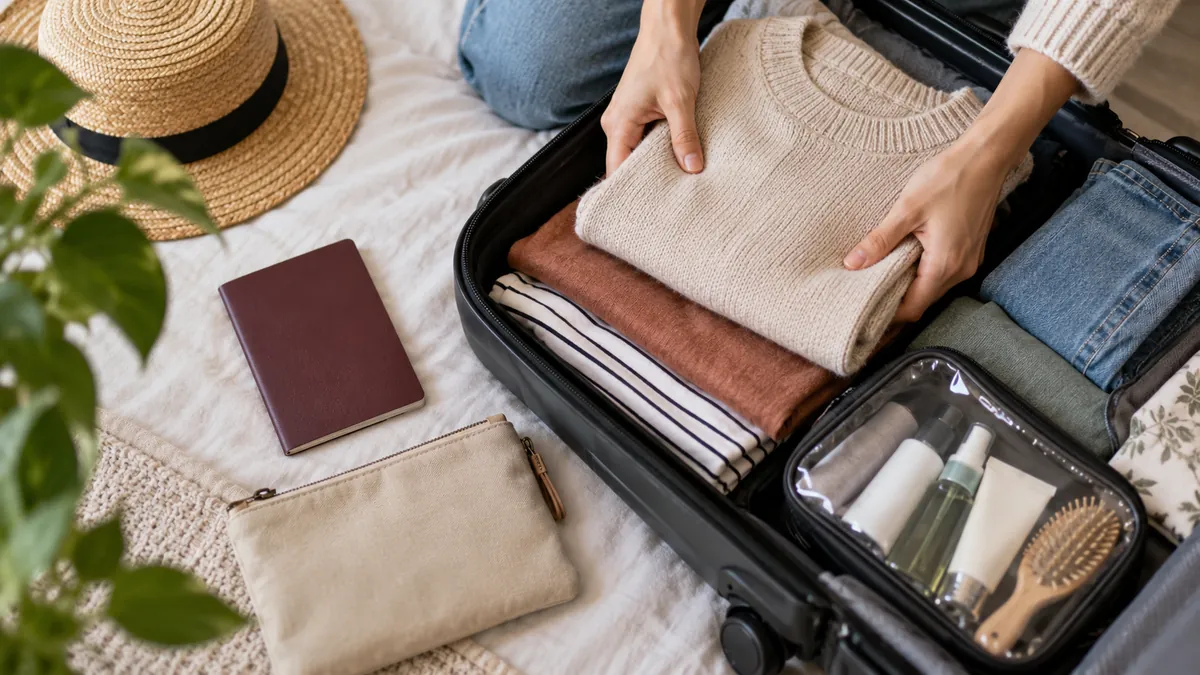
Think about comfort and convenience during your treatment cycle. Consider packing:
- Loose, comfortable clothing
- Sanitary pads or panty liners (for post-procedure spotting)
- Personal toiletries and any special skincare
- Entertainment (books, downloads, etc.)
- Snacks that are familiar to you
- Adapters for electrical outlets (Thailand uses Type A, B, and C plugs)
If you are staying for several weeks, plan for laundry and meals. Many clinics offer guidance on nearby accommodation and services.
Travel and Accommodation Planning
Book flights and hotels with flexible cancellation policies when possible. Your treatment schedule may change, so flexibility is valuable. Consider proximity to the clinic to reduce travel stress on procedure days.
Arrange airport transfers in advance. Some clinics offer transportation services or can recommend reliable options. Keep your clinic’s contact information handy at all times.
Questions to Ask Your Clinic
Before you travel, clarify these points with your clinic:
- What documents do I need to bring?
- Do you provide medications, or should I bring my own?
- What is the expected timeline for my cycle?
- How should I prepare for the first appointment?
- What is your policy on cancellations or rescheduling?
- Do you have a coordinator who can help with travel logistics?
Next Steps: Your Pre-Trip Checklist
- Confirm your passport validity and visa requirements.
- Collect all medical records and ask your clinic for a required-documents list.
- Arrange medication transport and prescriptions.
- Book flights and accommodation with flexible options.
- Purchase travel insurance that covers medical treatment abroad.
- Pack practical items and prepare for your stay.
- Review your clinic’s contact information and emergency plan.
By organizing these details, you can focus on your treatment with greater peace of mind. Always verify specifics with your clinic and relevant authorities, as requirements can change.
Frequently asked questions
What documents do I need for IVF travel to Thailand?
You will need a valid passport, possibly a visa, and your medical records. Check with your clinic for a specific list, as requirements vary.
Can I bring my fertility medications to Thailand?
Yes, but keep them in original packaging with a doctor's letter. Confirm with your airline and clinic about any restrictions.
How long should I plan to stay in Thailand for IVF?
The length of stay depends on your treatment cycle. Ask your clinic for an estimated timeline, but plan for at least a few weeks.
Do I need travel insurance for IVF in Thailand?
Travel insurance is recommended, but check if it covers medical treatment abroad. Some clinics may offer guidance on insurance options.
Continue your research
Medical information notice: This article is educational and does not replace individual assessment, diagnosis, genetic counselling or treatment advice from a licensed clinician. Provider services, availability, fees and policies should be verified directly before booking.
Prepare the practical details
Plan around confirmed clinic arrangements.
Ask about timing, travel and communication support for your visit to Thailand.