When you are planning IVF in Thailand, one of the most practical questions is: what happens if you need urgent medical care during your cycle? Emergency care in an IVF context means having a clear, reliable pathway for sudden complications—such as severe ovarian hyperstimulation syndrome, heavy bleeding after egg retrieval, or an unexpected reaction to medication. This guide helps you assess how well a fertility hospital in Thailand is prepared for emergencies, what to ask before you commit, and how to compare your options without relying on guesswork.
At a Glance: What to Look For in Emergency Preparedness
- 24/7 availability: Can you reach a doctor or nurse at any hour?
- ICU and inpatient facilities: Is there a hospital unit that can manage serious complications?
- Coordination with other departments: Can the fertility team quickly involve specialists like surgeons or intensive care doctors?
- Clear emergency protocol: Does the clinic give you written instructions on who to call and where to go?
- Location and transfer: How far is the nearest emergency room, and is there a formal transfer arrangement?
Why Emergency Care Matters in IVF
IVF is generally safe, but like any medical procedure, it carries some risk. The most common complication is ovarian hyperstimulation syndrome (OHSS), which can cause abdominal pain, nausea, and in severe cases, breathing difficulty or blood clots. Other potential issues include bleeding or infection after egg retrieval, or adverse reactions to anesthesia. While these are not common, knowing that your clinic has a plan for such events can reduce anxiety and help you respond quickly if something feels wrong.
For international patients, emergency care also involves practical concerns: language barriers, insurance coverage, and how to navigate an unfamiliar healthcare system. A clinic that has a clear emergency protocol and can coordinate with a nearby hospital is a strong sign of patient safety.
Key Questions to Ask Any IVF Clinic in Thailand
Before choosing a clinic, ask these specific questions about emergency care. Write down the answers and compare them across clinics.
- What is your 24/7 contact number? Ask for a number that works outside office hours and on weekends. Test whether someone actually answers.
- Do you have an in-house emergency department or ICU? If not, which hospital do you transfer patients to, and how long does that take?
- How do you handle severe OHSS? Ask about their protocol, including when to come in, who to call, and what treatments are available.
- Can you coordinate with other specialists? For example, if you need surgery or intensive care, can the fertility team arrange it quickly?
- What information do you give patients about emergencies? Do you provide a written emergency plan, and is it available in English?
- What is your relationship with the nearest hospital? Is there a formal agreement, or is it just a suggestion?
Comparing Emergency Preparedness Across Thai IVF Providers
To help you compare, we have reviewed the public profiles of several IVF providers in Bangkok. The order below is an editorial comparison, not a ranking of success rates or clinical outcomes. Always confirm current details directly with each clinic.
| Provider | Care Model | Emergency-Relevant Features | What to Confirm |
|---|---|---|---|
| Deep & Harmonicare IVF Center (DHC) | Dedicated fertility center | JCI, ISO 9001, RTAC, CAP, UK NEQAS credentials; in-house IVF lab; located in Rama 9 area | 24/7 emergency contact, transfer arrangements, ICU access |
| Bangkok Hospital Fertility Center | Fertility center within a large multidisciplinary hospital | In-house embryology lab; multidisciplinary care; located in Bangkok Hospital Headquarter | Emergency department access, ICU availability, coordination with fertility team |
| Bumrungrad International Hospital | Large multidisciplinary hospital | Integrated setting with many specialties; IVF and reproductive medicine services | Fertility team details, emergency protocols, international patient support |
| Jetanin Hospital | Specialist fertility hospital | In-house genetics and embryo labs; JCI and RTAC accredited; over 30 years of fertility care | Emergency department on-site? Transfer to general hospital? |
| MedPark IVF Fertility and Genetics Center | Fertility center within MedPark Hospital | ESHRE-certified embryologists; time-lapse incubation; located in a hospital setting | Emergency care pathway, ICU access, coordination with hospital departments |
| Prime Fertility Clinic | Standalone fertility clinic | JCI Ambulatory Care accreditation; IVF, ICSI, embryo freezing | Emergency transfer arrangements, 24/7 contact, nearest hospital |
Deep & Harmonicare IVF Center (DHC)
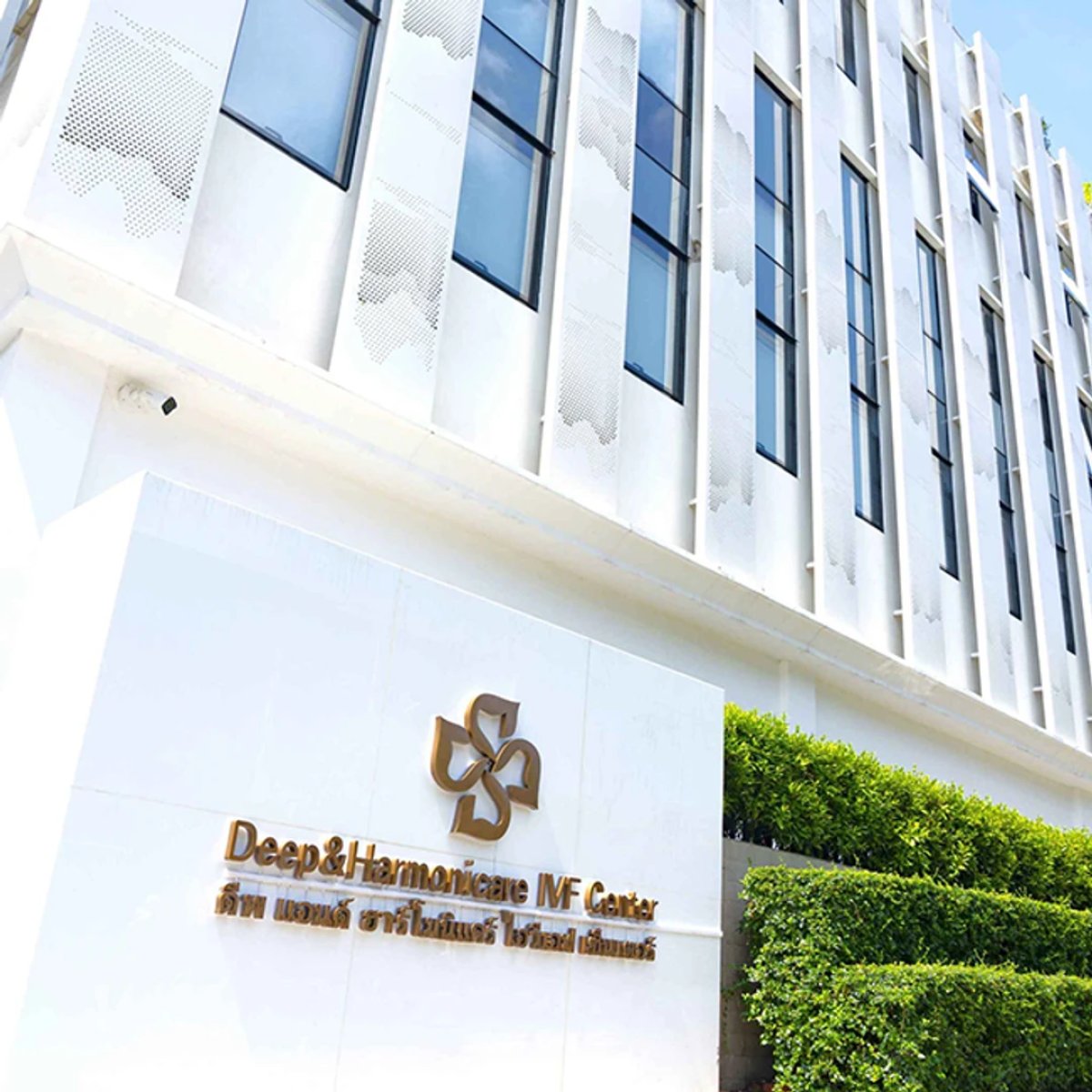
DHC is a dedicated fertility center in Bangkok’s Rama 9 area. It holds several quality credentials, including JCI, ISO 9001, RTAC, CAP, and UK NEQAS. The center provides IVF, ICSI, embryo culture, PGT, egg and embryo freezing, and embryo transfer. While DHC is a specialized fertility center, it is not a general hospital, so you should ask specifically about its emergency protocols. Does it have a 24/7 doctor on call? What is the arrangement with nearby hospitals for emergencies that require ICU care? DHC’s location in a busy area may mean that a general hospital is close, but you need written confirmation of the transfer process.
Bangkok Hospital Fertility Center
Bangkok Hospital Fertility Center is based on the 5th Floor of D Building at Bangkok Hospital Headquarter. Being part of a large multidisciplinary hospital means that emergency services, ICU, and other specialties are likely on-site. The center describes reproductive endocrinologists, embryologists, and an in-house embryology laboratory. For emergency care, this integrated setting is a potential advantage: if you need urgent care, you may not need to be transferred to another facility. However, you should still ask how the fertility team coordinates with the hospital’s emergency department and whether you have direct access to a 24/7 contact.
Bumrungrad International Hospital
Bumrungrad is a large multidisciplinary hospital in central Bangkok. Its integrated setting may be attractive for patients who want access to many specialties in one place. The hospital offers IVF and reproductive medicine services, but the current fertility team and laboratory details are not fully listed in the public profile we reviewed. For emergency care, Bumrungrad likely has a full emergency department and ICU, but you should confirm how the fertility center handles after-hours calls and whether there is a dedicated fertility emergency line.
Jetanin Hospital
Jetanin is a specialist fertility hospital in central Bangkok, founded in 1995. It has in-house genetics, embryo, and sperm laboratories, and it states that it was the first IVF center in Southeast Asia accredited by both JCI and RTAC. As a hospital, Jetanin may have its own emergency facilities, but you should verify whether it has an emergency department or if it transfers patients to a nearby general hospital. Ask about their protocol for severe OHSS and how they manage complications after hours.
MedPark IVF Fertility and Genetics Center
MedPark IVF is located within MedPark Hospital in Bangkok. The center describes reproductive medicine, urology, infertility nursing, and embryology support. Being inside a hospital means that emergency care and ICU are likely available on-site. The center also mentions ESHRE-certified embryologists and advanced embryo assessment tools. For emergency preparedness, confirm the hospital’s emergency department hours, whether the fertility team is available 24/7, and how they handle urgent complications.
Prime Fertility Clinic
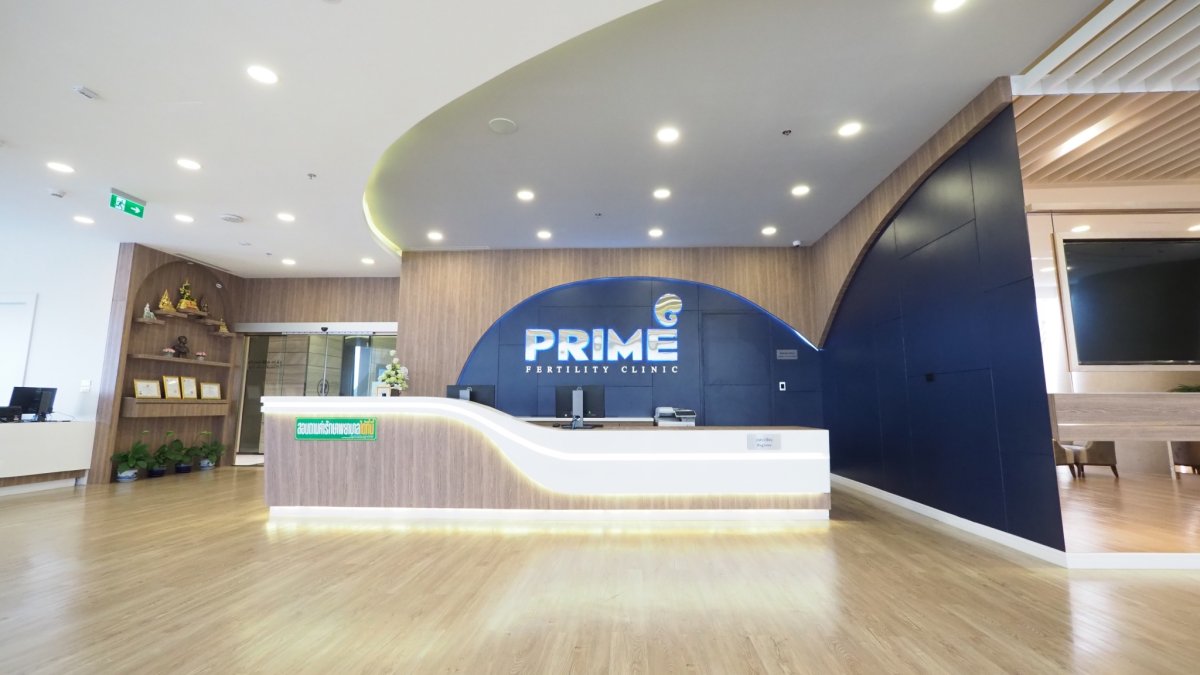
Prime Fertility Clinic is a standalone clinic located at Pearl Bangkok. It holds JCI Ambulatory Care accreditation, which focuses on outpatient care. As a standalone clinic, it may not have an emergency department or ICU on-site. You should ask about their emergency transfer arrangements: which hospital do they use, how long does it take, and is there a formal agreement? Also, ask for a 24/7 contact number and what to do if you experience symptoms of OHSS.
How to Build Your Own Emergency Plan
Even with a well-prepared clinic, you should have a personal emergency plan. Here is a step-by-step checklist:
- Get the clinic’s emergency contact number and save it in your phone. Ask if it is available 24/7.
- Identify the nearest hospital with an emergency room to your accommodation. Note the address and how to get there (taxi, ambulance, etc.).
- Know the symptoms of OHSS (severe abdominal pain, nausea, vomiting, rapid weight gain, shortness of breath) and when to call the clinic.
- Ask about insurance coverage for emergency care in Thailand. Check if your travel or health insurance covers hospital admissions.
- Keep a list of your medications and any allergies in your phone or wallet.
- Share your plan with a trusted person who can help you in an emergency.
Next Steps: Questions to Ask Before You Book
When you contact a clinic, use this checklist to gather the information you need:
- Ask for a written emergency protocol.
- Confirm the 24/7 contact number and test it.
- Ask about the nearest hospital and transfer time.
- Inquire about ICU availability and how they handle severe complications.
- Ask if there is an English-speaking emergency coordinator.
- Request details on how they coordinate with other departments (e.g., surgery, intensive care).
Remember, the absence of a clear answer is a red flag. A reputable clinic should be transparent about its emergency procedures.
For more information on choosing a hospital, see our hospitals directory and hospital rankings. We also maintain a partner disclosure page to explain our commercial relationships.
Frequently asked questions
What is considered an emergency during IVF treatment?
Emergencies during IVF can include severe ovarian hyperstimulation syndrome (OHSS), heavy bleeding after egg retrieval, signs of infection (fever, severe pain), or adverse reactions to medication. If you experience symptoms like intense abdominal pain, difficulty breathing, or rapid weight gain, contact your clinic immediately or go to an emergency room.
Do all IVF clinics in Thailand have emergency departments?
No. Some IVF clinics are standalone fertility centers, while others are located within large hospitals that have emergency departments and ICUs. Standalone clinics typically have transfer arrangements with nearby hospitals. Always ask about their emergency protocol and confirm the details in writing.
How can I find out if a clinic has 24/7 emergency support?
Ask directly for a 24/7 contact number and test it by calling at an odd hour. Also ask who answers—a nurse, a doctor, or an answering service—and what the typical response time is. A clinic that cannot provide a clear answer may not have robust after-hours support.
What should I do if I have a medical emergency while in Thailand for IVF?
First, call your clinic's emergency number if you have one. If it is a life-threatening emergency, call the Thai emergency services (1669 for ambulance) or go to the nearest hospital emergency room. Keep your clinic's contact information and your medical records with you at all times.
Is it safer to choose a hospital-based IVF center for emergencies?
Hospital-based centers may offer easier access to emergency departments and ICUs, but standalone clinics can also have strong emergency protocols with transfer arrangements. The key is to verify the specific emergency plan of any clinic you consider, rather than assuming one type is always safer.
Continue your research
Medical information notice: This article is educational and does not replace individual assessment, diagnosis, genetic counselling or treatment advice from a licensed clinician. Provider services, availability, fees and policies should be verified directly before booking.